Don't miss our holiday offer - up to 50% OFF! ? | Follow Our Social :
What to Eat on an Ulcer Diet for Fast Healing (Complete Evidence-Based Guide)
If you’re wondering what to eat on an ulcer diet for fast healing, you’re not alone. Stomach ulcers can cause burning pain, bloating, nausea, and discomfort that interfere with everyday life. While medication is often necessary, the right diet plays a major role in reducing irritation and supporting your body’s natural repair process. A stomach ulcer (also called a peptic ulcer) is an open sore in the lining of the stomach or upper small intestine. Most ulcers are caused by Helicobacter pylori (H. pylori) infection or long-term use of NSAIDs (like ibuprofen). Treatment usually includes acid-reducing medications and sometimes antibiotics. But your daily food choices can either slow healing — or help speed it up.
This guide explains:
The best foods for ulcer healing
What to avoid
Drinks that soothe symptoms
A simple meal plan
Answers to common questions
Let’s break it down.
Top Amazon Remedies and Supplements for Stomach Ulcer Support
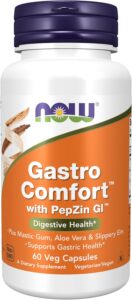
1) NOW Foods Gastro Comfort with PepZin GI
A top-rated digestive supplement designed to support stomach comfort, neutralize excess acid, and support mucosal lining health — often chosen by customers dealing with chronic indigestion, heartburn, or ulcer-related discomfort. Great as a general “gut support” formula.
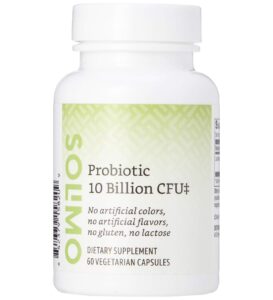
2) Amazon Brand Solimo Daily Probiotic
Probiotics help balance gut flora and may aid in digestive healing — especially if your ulcer is related to an H. pylori imbalance. These daily probiotics are gentle on the stomach and help support overall digestive health.
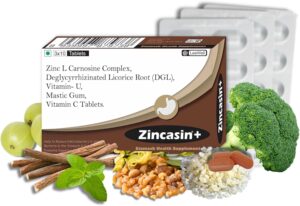
3) Zincasin +Plus Advanced Leaky Gut Health Stomach Ulcer Digestive Aid
A top-rated digestive supplement designed to support stomach comfort, neutralize excess acid, and support mucosal lining health — often chosen by customers dealing with chronic indigestion, heartburn, or ulcer-related discomfort. Great as a general “gut support” formula.
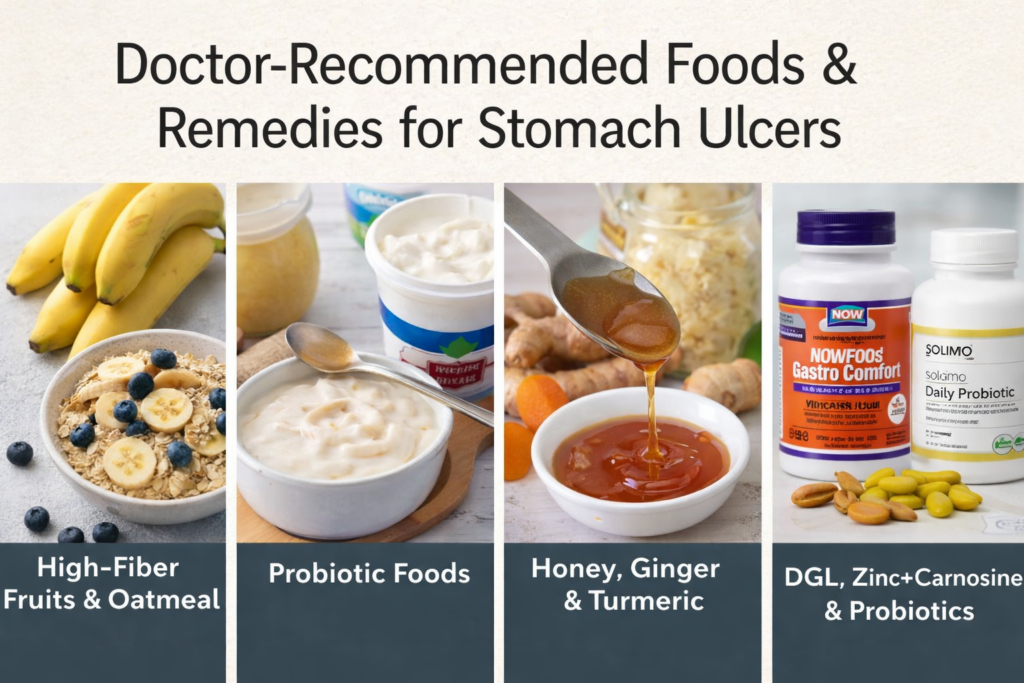
Popular Doctor-Suggested Natural Foods
While not “sold as products,” these remain among the most recommended for soothing ulcer symptoms:
🍌 Bananas: Soft, low-acid, and loaded with compounds that may help neutralize stomach acid and strengthen the lining.
🥕 Sweet potatoes: Rich in vitamins and antioxidants that assist tissue repair.
🍯 Honey (raw or Manuka): Antibacterial and anti-inflammatory, potentially helpful with H. pylori.
🥬 Cooked cabbage: Often recommended in traditional ulcer diets for its glutamine and vitamin C content.
🍵 Ginger & turmeric teas: Soothing anti-inflammatory drinks that ease digestive discomfort.
What Are the Best Foods to Eat for Ulcers?
When planning what to eat on an ulcer diet for fast healing, the goal is simple:
Reduce irritation
Lower excess acid production
Support stomach lining repair
Improve digestion
Here are the best food categories to focus on:
When planning what to eat on an ulcer diet for fast healing, the goal is simple:
Reduce irritation
Lower excess acid production
Support stomach lining repair
Improve digestion
Here are the best food categories to focus on:
1. High-Fiber Foods
Fiber supports digestion and may reduce acid buildup in the stomach.
Best options:
Oatmeal
Brown rice
Whole-grain bread
Barley
Apples (peeled if sensitive)
Pears
Bananas
Soluble fiber, especially from oats and fruits, is particularly soothing.
2. Lean Protein Sources
Protein is essential for tissue repair — including healing the stomach lining.
Ulcer-friendly proteins:
Skinless chicken
Turkey
Eggs
Tofu
Salmon
White fish (cod, tilapia)
Avoid frying. Baking, boiling, grilling, or steaming are better choices.
3. Probiotic-Rich Foods
If your ulcer is linked to H. pylori, probiotics may support treatment by balancing gut bacteria.
Good sources:
Yogurt with live cultures
Kefir
Mild fermented vegetables
Look for “live and active cultures” on the label.
4. Cooked Vegetables
Vegetables are rich in antioxidants that support healing. However, raw vegetables can irritate during flare-ups.
Best choices (steamed or boiled):
Carrots
Spinach
Zucchini
Sweet potatoes
Green beans
Squash
Cooking makes them easier to digest.
5. Healthy Fats (In Moderation)
Excess fat can slow digestion, but moderate amounts of healthy fats are beneficial.
Olive oil
Avocado
Flaxseeds
Chia seeds
Avoid heavy creamy sauces and fried foods.
What Diet Should You Eat If You Have an Ulcer?
The ideal ulcer diet is:
Balanced
Low in acidity
Moderate in fiber
Low in processed foods
Free from irritants
A modified Mediterranean-style approach (without spicy foods and acidic sauces) works well for many people.
Key Guidelines:
Eat smaller meals 4–6 times per day
Avoid overeating
Chew slowly
Avoid lying down right after meals
Is Egg Okay for Ulcers?
Yes. Eggs are generally safe and beneficial on an ulcer diet.
They provide high-quality protein to support tissue repair. For best tolerance:
Boil, poach, or lightly scramble
Avoid frying in butter
If sensitive, start with egg whites
Most people tolerate 1–2 eggs daily without issues.
What Not to Eat with Ulcers?
Avoiding trigger foods is critical for fast healing.
Foods That Can Worsen Symptoms:
Spicy foods (hot peppers, chili sauce)
Fried and greasy foods
Fatty red meats
Citrus fruits
Tomato-based sauces
Chocolate
Carbonated drinks
Alcohol
Coffee (especially on an empty stomach)
These foods increase acid production or directly irritate the stomach lining.
What Drink Calms an Ulcer?
Hydration supports digestion and reduces irritation.
Soothing Drink Options:
Warm water
Chamomile tea
Mild ginger tea
Coconut water
Aloe vera juice (food-grade, small amounts)
Avoid soda, alcohol, and energy drinks.
What Is the 3-3-3 Rule for Eating?
While not a medical rule, the 3-3-3 approach can help ulcer patients:
Eat every 3 hours
Keep portions moderate
Avoid lying down within 3 hours of eating
This reduces pressure on the stomach and prevents acid buildup.
What Is the Healthiest Diet?
For ulcer healing, the healthiest diet is:
Rich in vegetables
Balanced in lean protein
Moderate in whole grains
Low in ultra-processed foods
Low in refined sugar
A whole-food-based eating pattern is best.
How Many Eggs Per Day?
For most healthy adults:
1–2 eggs per day is safe
Balance with other protein sources
Avoid heavy frying
Consult your doctor if you have specific cholesterol concerns.
What Is the Best Fruit to Eat?
The safest fruits during ulcer healing include:
Bananas
Pears
Apples (peeled)
Papaya
Melons
Avoid citrus fruits during flare-ups.
How to Lose 10kg in 2 Weeks?
Rapid weight loss is not recommended when healing an ulcer.
Crash dieting can:
Increase acid production
Slow recovery
Trigger pain
Focus on long-term healthy habits instead of extreme dieting.
What Is Best to Eat on a Diet?
If you’re dieting while managing an ulcer, prioritize:
Lean proteins
Cooked vegetables
Whole grains
Low-acid fruits
Healthy fats
Avoid skipping meals.
What Foods Make Ulcers Go Away?
No food instantly cures ulcers, but certain foods support healing:
High-fiber grains
Probiotic yogurt
Leafy greens
Lean protein
Antioxidant-rich vegetables
Medication compliance is essential for full recovery.
How to Heal the Stomach Lining?
Healing requires a combination of:
Taking prescribed medications
Avoiding NSAIDs (if possible)
Limiting alcohol
Managing stress
Eating smaller, frequent meals
Sleeping well
Cabbage, spinach, and glutamine-rich foods may support gut lining repair.
What Is the Best Breakfast for Ulcers?
An ideal ulcer-friendly breakfast:
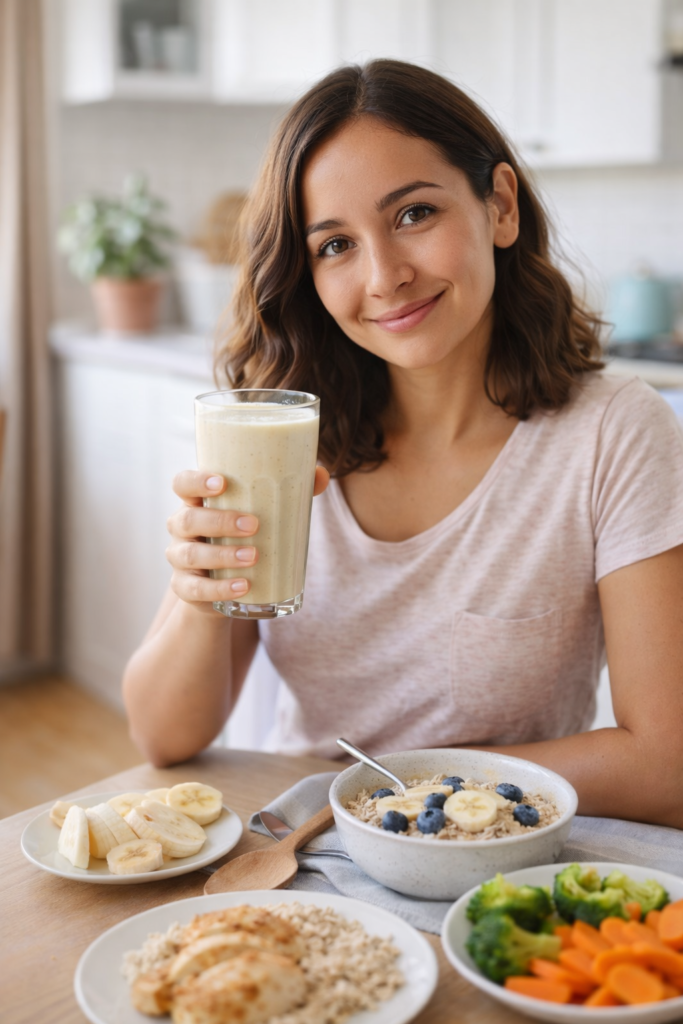
Oatmeal with banana
Scrambled eggs
Whole-grain toast
Herbal tea
Avoid citrus juice and strong coffee on an empty stomach.
3-Day Sample Ulcer Diet for Fast Healing
Day 1
Breakfast: Oatmeal + banana
Lunch: Grilled chicken + brown rice + carrots
Dinner: Baked salmon + sweet potato + spinach
Day 2
Breakfast: Scrambled eggs + whole-grain toast
Lunch: Turkey sandwich (no tomato) + pear
Dinner: Tofu + zucchini + rice
Day 3
Breakfast: Yogurt with oats
Lunch: Lentil soup + soft bread
Dinner: Grilled cod + green beans + quinoa
When to Seek Medical Attention
Contact a healthcare provider if you experience:
Black or tarry stools
Vomiting blood
Severe abdominal pain
Unexplained weight loss
Authoritative resources for further reading:
Cleveland Clinic
National Institute of Diabetes and Digestive and Kidney Diseases (NIDDK)