Ulcerative Colitis Diet: What to Eat, What to Avoid, and How to Support Remission

A well-structured ulcerative colitis diet can significantly improve symptom control, reduce flare frequency, and support long-term remission. While food does not cause ulcerative colitis (UC), diet directly affects inflammation, bowel frequency, pain, bloating, and nutrient absorption.

If you’ve been asking:

  • What should you eat if you have ulcerative colitis?

  • What foods trigger colitis attacks?

  • What is the best anti-inflammatory diet?

  • Are eggs or bananas bad for ulcerative colitis?

This comprehensive guide answers those questions and more — with practical, evidence-based recommendations.

Understanding Ulcerative Colitis and Diet

Ulcerative colitis is a chronic inflammatory bowel disease (IBD) that affects the lining of the colon. It causes symptoms such as:

  • Diarrhea (sometimes with blood)

  • Abdominal pain

  • Urgency

  • Fatigue

  • Weight loss

Diet cannot cure UC, but the right diet for ulcerative colitis can:

  • Reduce irritation during flares

  • Improve nutrient intake

  • Support gut healing

  • Lower inflammation

  • Improve overall quality of life

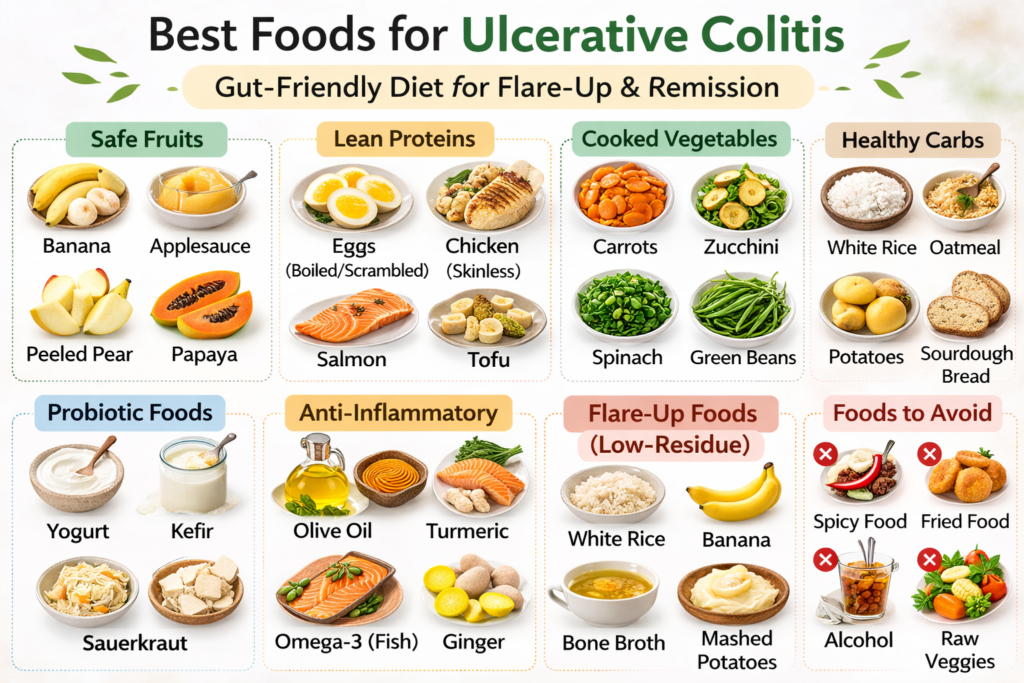
What Should You Eat If You Have Ulcerative Colitis?

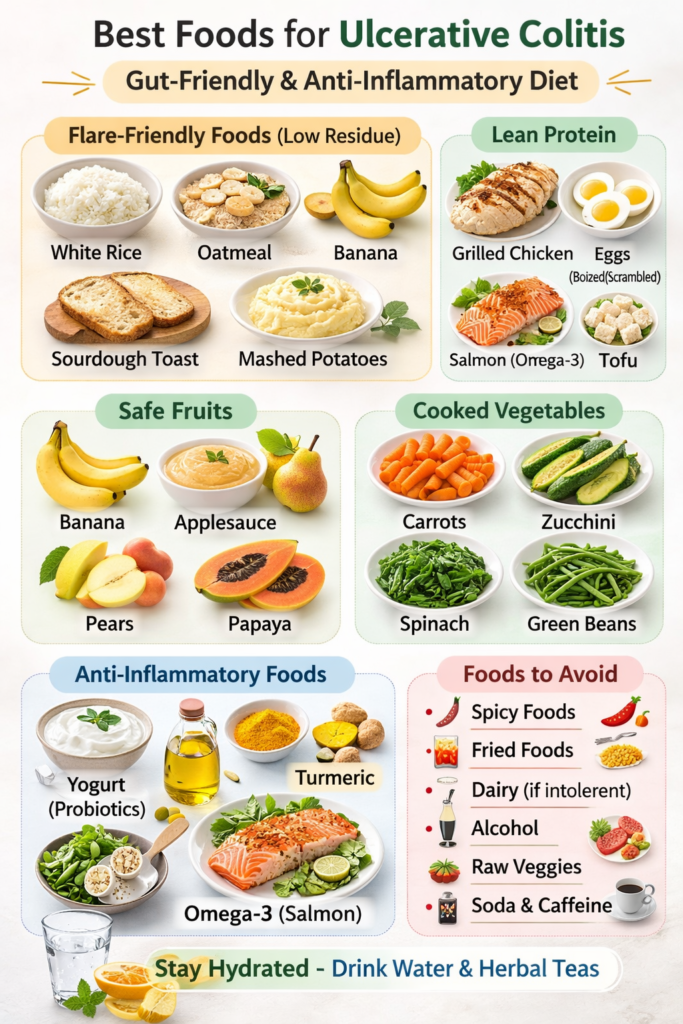
The ideal ulcerative colitis diet plan depends on whether you’re in remission or experiencing a flare.

During Remission

Focus on a balanced, anti-inflammatory eating pattern:

  • Lean protein (chicken, turkey, fish)

  • Healthy fats (olive oil, omega-3 rich fish)

  • Cooked vegetables

  • Tolerated whole grains

  • Low-acid fruits

During a Flare

Follow a low residue diet for ulcerative colitis, which reduces stool bulk and bowel irritation.

Flare-Friendly Foods:
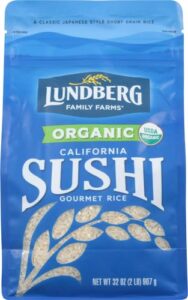
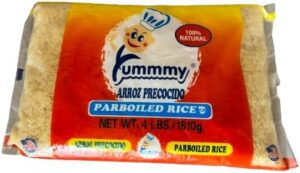
  • White rice

  • Plain pasta

  • Scrambled or boiled eggs

  • Skinless chicken

  • Mashed potatoes

  • Bananas

  • Applesauce

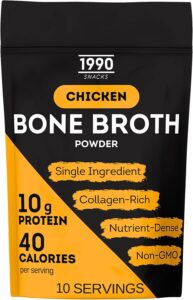
  • Bone broth

This is often referred to as a bland diet for ulcerative colitis.

What Are the 6 Worst Foods for Ulcerative Colitis?

Although triggers vary, the most commonly reported include:

  1. Raw vegetables (especially during flares)

  2. Popcorn and seeds

  3. Spicy foods

  4. Alcohol

  5. Fried and fatty foods

  6. Sugary processed snacks

These are often included among the 10 worst foods for inflammation overall.

What Foods Trigger Colitis Attacks?

Common culprits:

  • High-fat meals

  • Dairy (if lactose intolerant)

  • Coffee

  • Carbonated beverages

  • Artificial sweeteners

  • High-fiber salads during flares

Keeping a symptom and food journal is highly recommended.

Are Eggs Bad for Ulcerative Colitis?

No. Eggs are generally well tolerated and provide high-quality protein. Many patients search: Is egg good for ulcerative colitis? Yes — especially when boiled or scrambled instead of fried.

Are Bananas Bad for Ulcerative Colitis?

Bananas are usually safe and often recommended during a ulcerative colitis flare diet plan because they are soft and low in fiber.

What Foods Heal Colon Inflammation?

No food directly heals UC, but anti-inflammatory foods help reduce overall inflammation.

Anti-Inflammatory Diet for Ulcerative Colitis

  • Salmon (rich in omega-3)

  • Olive oil

  • Turmeric

  • Cooked leafy greens

  • Probiotic yogurt

The Mediterranean diet for ulcerative colitis is frequently recommended during remission because it emphasizes whole, anti-inflammatory foods.

What Is the Best Anti-Inflammatory Diet?

  • The Mediterranean-style pattern is widely considered the best anti-inflammatory diet. It includes:

    • Lean proteins

    • Vegetables (mostly cooked)

    • Healthy fats

    • Minimal processed foods

    However, fiber may need adjustment during active flares.

What Calms Down Ulcerative Colitis?

  • To calm symptoms:

    • Shift to a low fiber diet during flares

    • Stay hydrated

    • Avoid trigger foods

    • Follow prescribed medications

    • Reduce stress

    Diet alone cannot replace medical therapy.

What Is the Fastest Way to Reduce Gut Inflammation?

  • There is no instant solution. However:

    • Immediately remove known triggers

    • Follow flare-friendly meal guidelines

    • Stay consistent with medication

    • Rest and manage stress

    Severe symptoms require medical care.

What Is the Best Breakfast for Colon Health?

  • Good ulcerative colitis breakfast ideas include:

    • Oatmeal with banana

    • Scrambled eggs and sourdough toast

    • Greek yogurt (if tolerated)

    • Smoothies with peeled fruits

What Is a Good Dinner for Someone With Colitis?

  • A simple, balanced dinner:

    • Grilled chicken

    • White rice

    • Steamed carrots or zucchini

    • Olive oil drizzle

    These are safe dinner ideas for colitis patients.

What Bread Is Best for Colitis?

During flares:

  • White bread

  • Sourdough bread

During remission:

  • Whole grain bread (if tolerated)

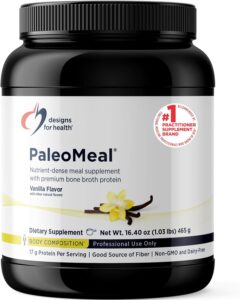
What Is the Best Multivitamin for Ulcerative Colitis?

UC patients are at risk for deficiencies in:

  • Iron

  • Vitamin D

  • B12

  • Folate

A physician-guided supplement plan is recommended rather than self-prescribing.

Can Colitis Cause Bruising?

Yes, especially if nutrient deficiencies (like vitamin K or iron) develop. Report unexplained bruising to a healthcare provider.

What Are the Red Flags for UC?

Seek medical care if you experience:

  • Persistent bleeding

  • Severe abdominal pain

  • High fever

  • Rapid weight loss

  • Dehydration

These are also considered red flags of colitis.

Does Paracetamol Help Ulcerative Colitis?

Paracetamol may relieve mild pain but does not treat colon inflammation. Avoid NSAIDs unless approved by your doctor.

What Is the Miracle Drug for Ulcerative Colitis?

There is no miracle drug. Common treatments include:

  • Mesalamine (5-ASA)

  • Corticosteroids

  • Immunomodulators

  • Biologics

Mesalamine is often considered the “gold standard for ulcerative colitis” in mild to moderate cases.

Is Omeprazole Good for Ulcerative Colitis?

Omeprazole treats acid reflux, not UC inflammation. It is not a treatment for ulcerative colitis.

Why Have I Got Ulcerative Colitis?

UC likely develops from:

  • Immune system dysfunction

  • Genetic predisposition

  • Environmental triggers

Yes, ulcerative colitis is genetic in some cases.

Has Anyone Reversed Ulcerative Colitis?

There is no permanent cure. However, many achieve long-term remission through:

  • Medication

  • Structured ulcerative colitis diet

  • Stress management

  • Regular monitoring

Home Remedies for Colitis

Supportive options (not replacements for medication):

  • Probiotic foods

  • Bone broth

  • Turmeric (with medical guidance)

  • Peppermint tea

7-Day Ulcerative Colitis Meal Plan (Sample)

Day 1

Breakfast: Oatmeal + banana
Lunch: Chicken + white rice
Dinner: Salmon + zucchini

Day 2

Breakfast: Scrambled eggs + toast
Lunch: Turkey sandwich
Dinner: Baked cod + carrots

Continue rotating lean proteins, soft carbs, and cooked vegetables.

Select your currency
USD United States (US) dollar
EUR Euro