Don't miss our holiday offer - up to 50% OFF! ? | Follow Our Social : 



Breathing for Sleep Review: Can a Simple Breathing Routine Help You Fall Asleep Faster?
Disclosure: This article discusses an affiliate offer. If you purchase through a link on this page, we may receive a commission at no additional cost to you. The information below is educational and should not be considered medical advice.
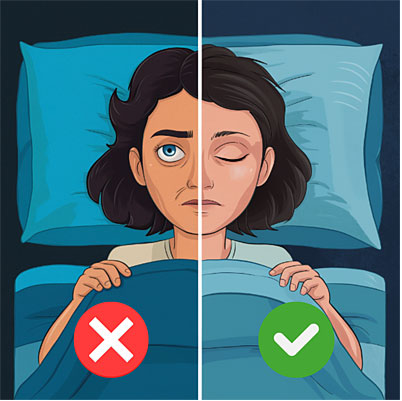
If you regularly lie in bed exhausted but find that your mind refuses to switch off, you are certainly not alone. Difficulty falling asleep, waking repeatedly during the night, loud snoring, and feeling tired the next morning can make even a normal day feel challenging.
According to the NHLBI, insomnia can involve difficulty falling asleep, staying asleep, or obtaining good-quality sleep despite having enough opportunity to sleep.
This is where Breathing for Sleep, an affiliate offer from Critical Bench, takes a different approach. Rather than presenting another conventional sleep supplement, the program focuses on breathing, tongue posture, relaxation, and a short bedtime routine.
But what exactly is the “U.S. Marine’s tongue trick,” and what does the program actually offer?
Let’s take a closer look.
What Is Breathing for Sleep?
Breathing for Sleep is a digital sleep routine designed around breathing exercises and tongue-position techniques.
According to the program’s official affiliate materials, the routine is intended to help users work on breathing patterns and tongue posture as part of a bedtime relaxation routine. The publisher describes it as a way to potentially support easier sleep, quieter breathing, and a more relaxed state before bed.
The central idea is relatively simple:
Instead of immediately reaching for a pill or supplement, the program teaches a breathing-based routine that can be practiced before sleep.
The offer particularly focuses on people who experience:
- Difficulty falling asleep
- Racing thoughts at bedtime
- Restless nights
- Snoring
- Difficulty maintaining sleep
- Feeling tired after waking
- Poor relaxation before bed
Why Can Falling Asleep Be So Difficult?

Sleep problems can have many different causes.
Stress, changes in schedule, lifestyle factors, medical conditions, medications, and sleep disorders can all affect sleep. Long-term insomnia is also different from simply having an occasional bad night.
The NHLBI notes that chronic insomnia involves sleep difficulties at least three nights a week for more than three months and can interfere with daytime functioning.
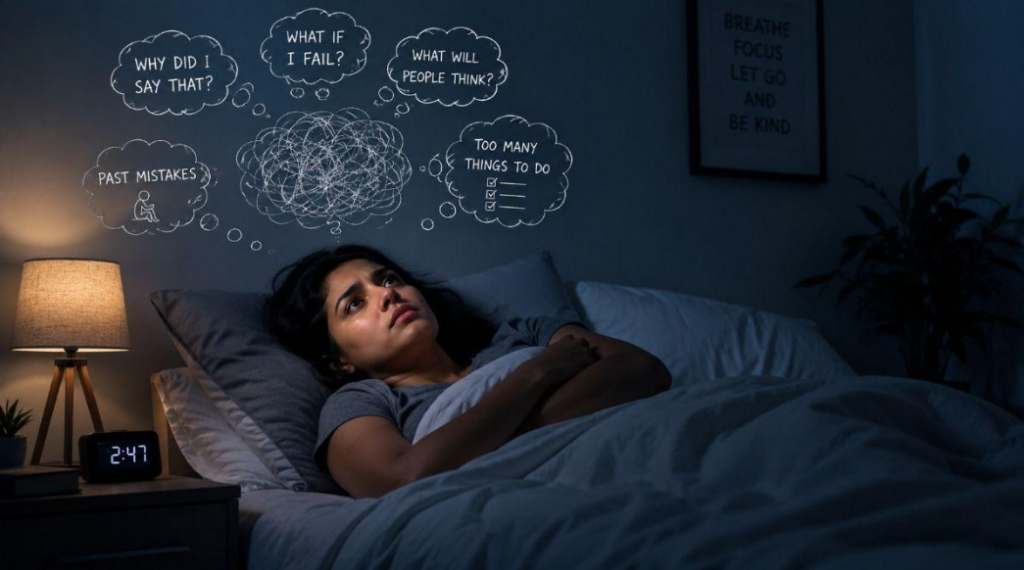
For some people, the problem begins when they get into bed.
Their body is tired, but their mind remains active.
They think about work.
They replay conversations.
They worry about tomorrow.
They check the clock.
And the more they think about not sleeping, the harder relaxation can become.
That is why breathing and relaxation techniques are interesting areas to explore as part of a broader sleep routine.
Why Can Falling Asleep Be So Difficult?

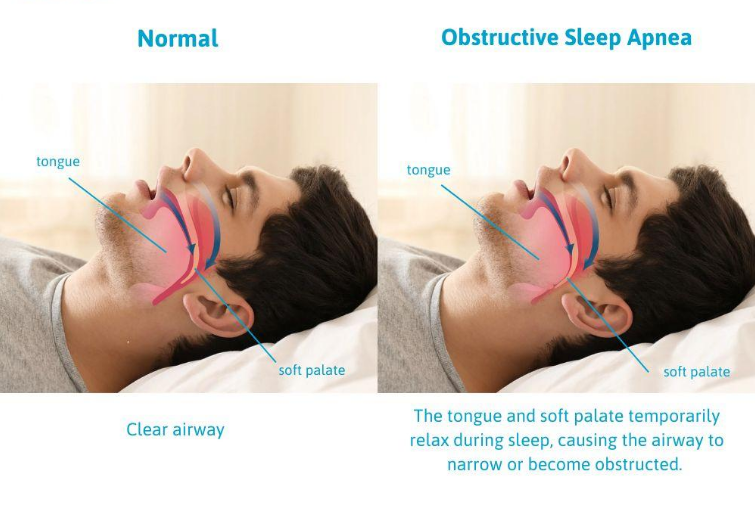
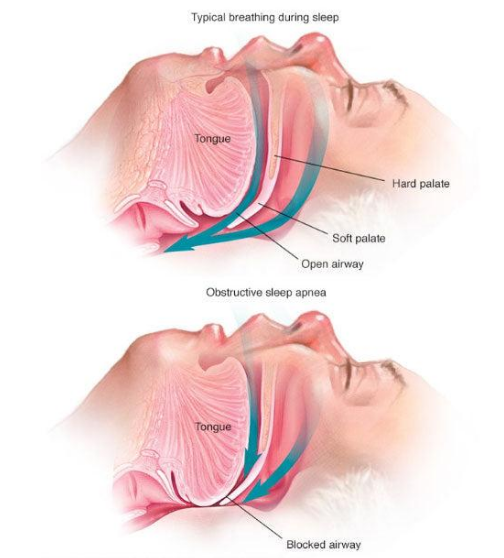
One of the most distinctive aspects of the offer is its focus on tongue posture and the muscles involved in maintaining the upper airway.
The program’s sales presentation refers to a “sleep nerve” and connects the technique with the hypoglossal nerve, which controls important tongue muscles. There is a legitimate physiological reason tongue position can matter during sleep.
The NHLBI explains that certain oral devices can hold the tongue or jaw forward to help keep the airway open in people with sleep apnea. It also describes orofacial therapy, which works on the tongue and muscles of the mouth and upper airway.
However, this should not be interpreted as proof that a simple tongue exercise can treat insomnia or sleep apnea by itself.
That distinction is important. The offer makes stronger claims about the routine than the publicly available evidence presented on the page establishes. Therefore, claims such as “fall asleep in exactly two minutes” should be understood as marketing claims rather than guaranteed outcomes.
How the Breathing for Sleep Routine Is Presented
The program is built around a relatively short routine that can be performed before bedtime. The official offer says the routine focuses on breathing and tongue positioning and can be completed in approximately 10 minutes, with a shorter version also described for people with limited time. The basic concept is to create a deliberate transition between being awake and preparing for sleep.
Instead of getting into bed and immediately trying to force yourself to sleep, the routine encourages you to:
- Slow down your breathing.
- Focus your attention on the breathing process.
- Pay attention to tongue and mouth positioning.
- Relax the body.
- Reduce mental stimulation.
- Transition toward sleep.
This type of structured wind-down may be appealing to people who struggle with an overactive mind at bedtime.
Can Breathing Help You Relax Before Bed?
Breathing exercises are commonly incorporated into relaxation practices.
The important point is that relaxation is not the same thing as treating a diagnosed sleep disorder.
For people with long-term insomnia, the NHLBI identifies cognitive behavioral therapy for insomnia (CBT-I) as a commonly recommended first-line treatment. CBT-I incorporates techniques involving relaxation, sleep education, stimulus control, and cognitive strategies.
Therefore, a breathing routine can potentially be considered one component of a broader healthy sleep routine rather than a replacement for professional treatment
What About Snoring?
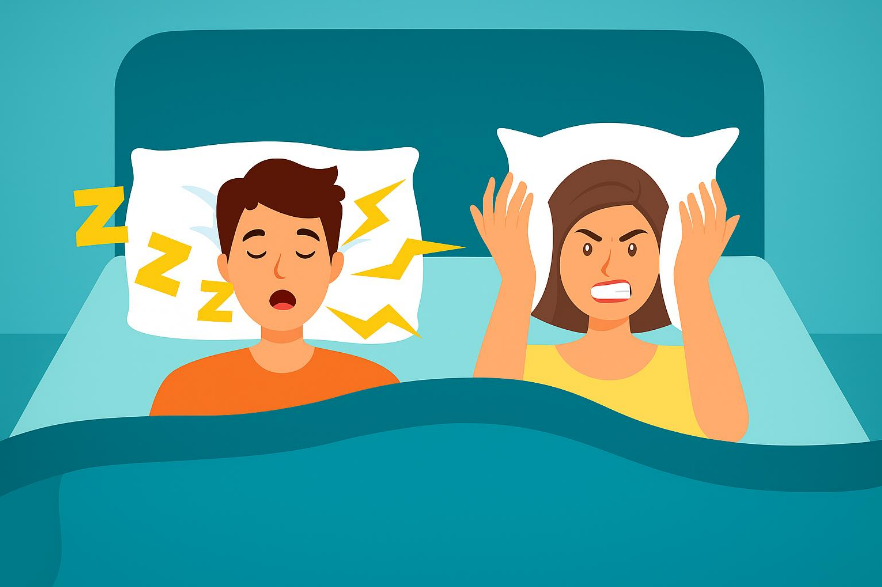
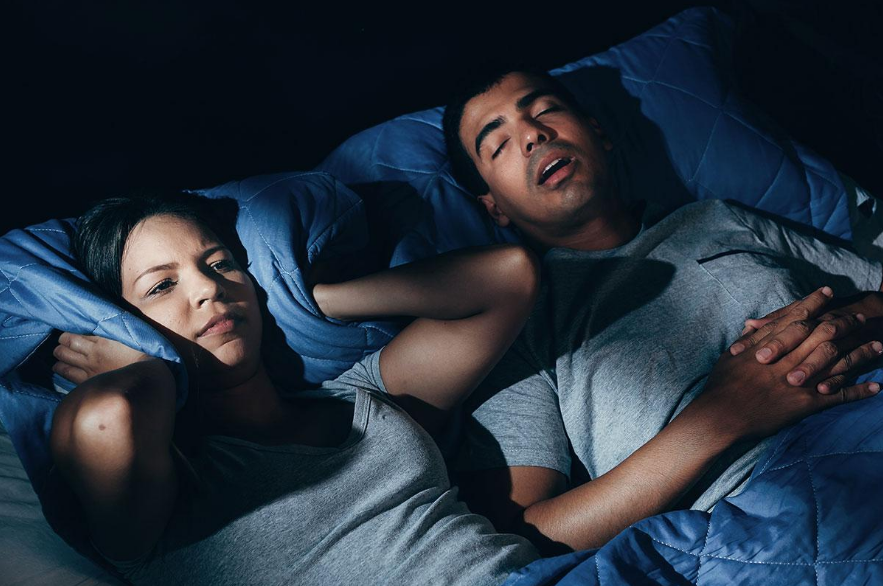
Snoring is another major part of the Breathing for Sleep marketing message. The publisher suggests that improving breathing and tongue positioning may help reduce disruptive snoring. However, persistent loud snoring deserves attention because it can sometimes be associated with obstructive sleep apnea.
The NHLBI lists frequent loud snoring, breathing pauses, gasping for air, daytime sleepiness, dry mouth, and morning headaches among possible symptoms of sleep apnea. If you or your partner notices repeated breathing interruptions during sleep, it is better to discuss the symptoms with a healthcare professional rather than assuming they are simply caused by poor tongue posture.
The American Academy of Sleep Medicine likewise states that sleep apnea should be diagnosed by a medical provider and may require a sleep evaluation or sleep testing.
What Benefits Does Breathing for Sleep Claim to Offer?

According to the publisher, the program is designed around several potential outcomes.
These include:
Faster relaxation at bedtime
The routine is intended to help you transition into a more relaxed state before sleeping.
Support for easier sleep onset
The offer specifically markets the routine around the possibility of falling asleep more quickly, including the headline claim of falling asleep in two minutes. Individual results can vary.
Support for quieter nighttime breathing
The program emphasizes breathing mechanics and tongue posture as part of its approach to snoring.
A simple bedtime routine
Rather than requiring complicated equipment, the offer presents the routine as something that can be practiced at home before going to bed.
Reduced bedtime mental stimulation
Breathing exercises can provide something simple to focus on when racing thoughts make it difficult to wind down.
A non-drug approach
Breathing for Sleep is presented as a routine rather than a conventional sleeping pill or dietary supplement.
What Makes This Approach Different?
One reason the offer may attract attention is its simplicity. There are countless sleep products available today, including supplements, herbal products, sleep trackers, devices, and medications. Breathing for Sleep takes a different marketing angle:
Use a short routine before bed and make breathing and tongue positioning part of your nighttime ritual.
For someone who prefers behavioral or relaxation-based approaches, that concept may be appealing. It also does not require you to swallow a capsule every night.
What About the "78.9%" Sleep Apnea Claim?
This is one area where readers should be particularly careful. The sales presentation references research involving hypoglossal nerve stimulation and cites a 78.9% reduction in sleep-apnea scores.
There is an important distinction, however. The research discussed on the sales page concerns medical nerve-stimulation technology, including implanted devices, rather than demonstrating that the Breathing for Sleep routine itself produces the same result.
The NHLBI confirms that hypoglossal nerve stimulation is one medical treatment option for certain people with sleep apnea. It involves an implanted device that stimulates the nerve controlling tongue muscles during sleep.
Therefore, readers should not interpret the 78.9% figure as evidence that the Breathing for Sleep routine itself reduces sleep apnea by 78.9%. That is a much stronger claim than the available information supports.
Who Might Be Interested in Breathing for Sleep?
The offer may be of interest to adults who are looking for a structured breathing-based bedtime routine and who experience occasional difficulty winding down.
It may particularly appeal to someone who:
- Has trouble relaxing at night
- Experiences racing thoughts before bed
- Wants to experiment with breathing exercises
- Wants a simple bedtime routine
- Is interested in tongue posture and breathing mechanics
- Wants a non-drug relaxation approach
However, people with persistent or severe sleep problems should not rely solely on an online program.
Who Should Talk to a Doctor About Their Sleep?
If your sleep problems are persistent, severe, or accompanied by symptoms such as loud snoring, gasping, breathing pauses, or significant daytime sleepiness, professional evaluation is important.
Sleep apnea is a medical condition in which breathing repeatedly stops and starts during sleep. Untreated sleep apnea can have serious health consequences.
Likewise, chronic insomnia may require a more comprehensive approach than a bedtime breathing routine.
A healthcare professional can help determine whether the problem is insomnia, sleep apnea, another sleep disorder, medication-related, or connected to another health condition.
Breathing for Sleep vs. Traditional Sleep Aids
One of the main differences is the type of intervention.
| Approach | General purpose |
|---|---|
| Breathing exercises | Relaxation and controlled breathing |
| Sleep hygiene | Improving habits and sleep environment |
| CBT-I | Structured treatment for chronic insomnia |
| CPAP/PAP | Keeping the airway open during sleep apnea |
| Oral appliances | Helping maintain airway openness in appropriate patients |
| Medication | Medical management of certain sleep conditions |
| Breathing for Sleep | Publisher’s breathing and tongue-position routine |
The right approach depends heavily on why someone is having difficulty sleeping.
For example, CBT-I is specifically designed for insomnia, while CPAP and certain oral devices are used for appropriate cases of sleep apnea.
Simple Sleep Habits Still Matter
Even if you are interested in trying a breathing routine, basic sleep habits remain important.
The NHLBI recommends maintaining a consistent sleep and wake schedule, creating a quiet and dark sleeping environment, limiting caffeine and alcohol near bedtime, exercising during the day, and developing a relaxing wind-down routine.
You don’t necessarily have to choose between a breathing exercise and healthy sleep habits.
They can potentially be used together as part of a broader bedtime routine.
Our Take on Breathing for Sleep
Breathing for Sleep is an interesting offer because it approaches nighttime relaxation through breathing exercises and tongue-position techniques rather than presenting itself primarily as a conventional sleep supplement.
The concept has some physiological areas of relevance: tongue and upper-airway function are important in sleep-disordered breathing, and breathing and relaxation exercises can be incorporated into strategies for winding down.
At the same time, some of the promotional claims go beyond what can be established from the evidence presented on the offer page. In particular, claims of consistently falling asleep in two minutes or achieving dramatic reductions in sleep apnea should not be treated as guaranteed results.
If you’re simply looking for a structured breathing routine to add to your bedtime habits, the program may be worth investigating.
If you have persistent insomnia, loud snoring, gasping, witnessed breathing pauses, or significant daytime sleepiness, consider speaking with a healthcare professional and getting an appropriate evaluation rather than relying on an online routine alone.
Interested in Learning More?
The official Breathing for Sleep presentation explains the routine, the publisher’s approach, and what is included in the program. You can review the information and decide whether it is appropriate for your needs.
Affiliate disclosure: We may earn a commission if you purchase through our affiliate link. This does not change the price you pay.
