Don't miss our holiday offer - up to 50% OFF! ? | Follow Our Social : 



Dentabiome Reviews 2026 Ingredients Benefits Safety Customer Reviews
Maintaining good oral health involves more than brushing and flossing. In recent years, researchers have become increasingly interested in the oral microbiome—the community of bacteria and other microorganisms that naturally live in the mouth. A balanced oral microbiome may play a role in maintaining healthy gums, fresh breath, and overall oral wellness.
As a result, oral probiotic supplements have gained attention from consumers looking to complement their daily dental care routines. One supplement that has attracted interest is Dentabiome. Marketed as an oral health formula, Dentabiome is promoted as a product designed to support the mouth’s natural microbial balance. According to the manufacturer, it contains ingredients intended to help maintain oral wellness when used alongside good dental hygiene practices. As with many dietary supplements, it’s important to understand the difference between marketing claims and the current scientific evidence.
This comprehensive Dentabiome Reviews 2026 guide explores what the product is, how it is marketed to work, its ingredients, potential benefits, safety considerations, customer feedback, pricing, and frequently asked questions. Rather than relying solely on promotional materials, this article takes a balanced approach by examining available information and discussing what research currently says about oral probiotics. Whether you’re experiencing occasional bad breath, looking for additional gum care support, or simply curious about oral probiotic supplements, this guide aims to help you make an informed decision
What Is Dentabiome?
Dentabiome is a dietary supplement developed to support oral health by focusing on the balance of beneficial microorganisms in the mouth. Unlike traditional oral care products such as toothpaste and mouthwash, which are applied directly to the teeth and gums, Dentabiome is marketed as a supplement intended to work from within by supporting the oral microbiome. The manufacturer describes it as part of a daily wellness routine rather than a replacement for brushing, flossing, or professional dental care. The idea behind oral probiotics is based on the understanding that the mouth contains hundreds of different species of bacteria.
While some bacteria contribute to plaque formation and gum disease, many others play beneficial roles in maintaining a healthy oral environment. Modern research suggests that maintaining this balance may be more beneficial than attempting to eliminate all bacteria through aggressive antibacterial products. Dentabiome is positioned within this growing category of oral health supplements by claiming to help support this natural balance. The manufacturer also highlights convenience as one of the product’s advantages. Instead of changing an existing oral hygiene routine, users are encouraged to incorporate Dentabiome alongside regular brushing, flossing, and dental checkups.
As with any dietary supplement, individual experiences may vary depending on lifestyle, diet, genetics, and overall oral health habits. People considering Dentabiome should carefully review the ingredient list, follow the recommended directions, and consult a healthcare professional or dentist if they have underlying medical conditions or questions about whether the product is appropriate for them.
How Does Dentabiome Claim to Work?
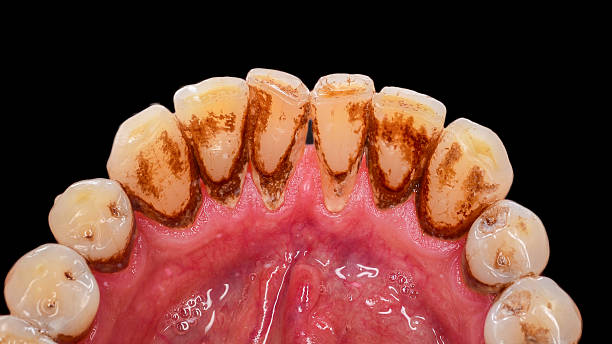
According to the manufacturer, Dentabiome is designed to support the natural ecosystem of microorganisms that live in the mouth. The product is marketed around the concept that maintaining a balanced oral microbiome may contribute to better oral health. Rather than focusing exclusively on removing bacteria, Dentabiome is promoted as a supplement intended to encourage a healthier balance between beneficial and potentially harmful microbes. The oral microbiome has become an area of growing scientific interest because researchers recognize that the mouth serves as one of the body’s first lines of interaction with the external environment.
Beneficial bacteria help occupy space that might otherwise be taken by organisms associated with plaque buildup or gum inflammation. When the microbial balance is disrupted—through diet, illness, smoking, certain medications, or poor oral hygiene—this ecosystem may become less stable. Dentabiome is marketed as a product that may help support this balance when used consistently as part of an overall oral care routine. It is important to note, however, that while scientific research on oral probiotics is promising, evidence varies depending on the specific bacterial strains and formulations used. Findings from one probiotic product cannot automatically be applied to another.
Therefore, any product-specific claims should be considered in the context of the available evidence and the manufacturer’s supporting information. Dentabiome should not be viewed as a substitute for regular dental visits, fluoride toothpaste, daily flossing, or professional treatment when needed. Instead, individuals interested in oral probiotics may consider it as one component of a broader oral health strategy that includes evidence-based dental care practices.
Dentabiome Ingredients Explained
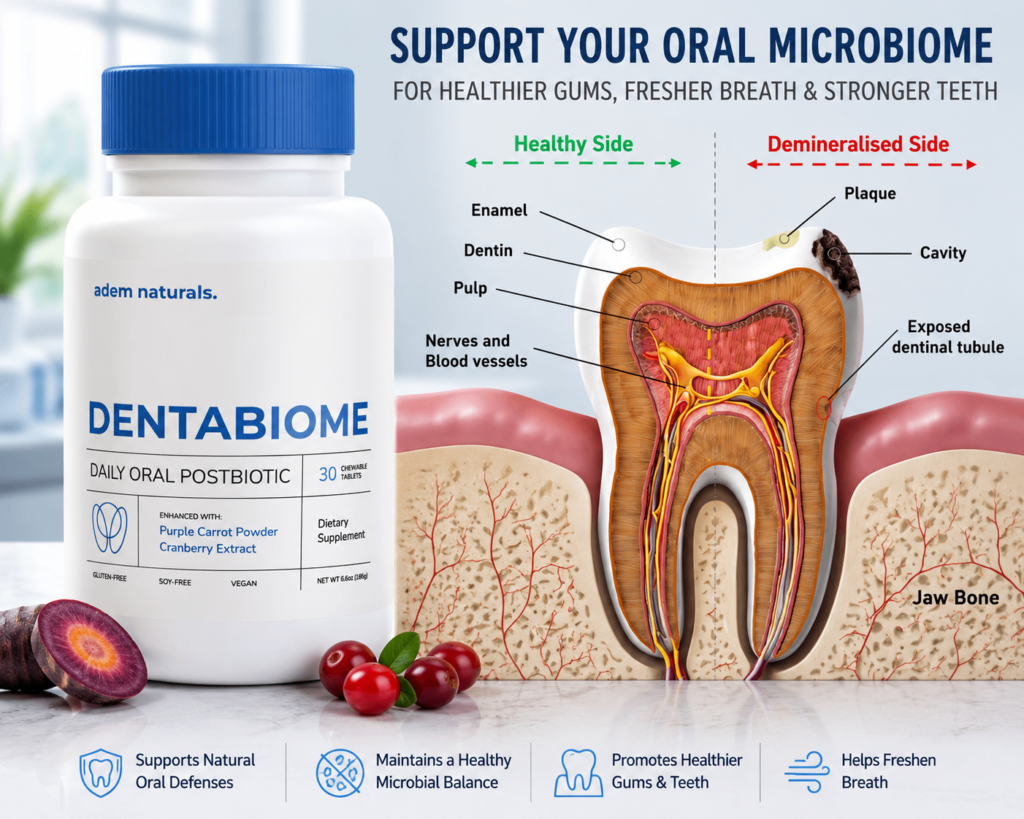
One of the most important factors to consider before purchasing any dietary supplement is its ingredient profile. Rather than focusing solely on marketing claims, it’s worth understanding what each ingredient is intended to do and what current research says about its potential role in oral health. According to the manufacturer, Dentabiome is formulated with ingredients selected to support the oral microbiome—the community of beneficial microorganisms that naturally inhabit the mouth. The goal is not to eliminate all bacteria but to help maintain a balanced oral environment alongside regular brushing, flossing, and routine dental visits. It’s important to remember that while research into oral probiotics and related compounds continues to grow, scientific evidence varies depending on the specific strains, dosages, and formulations used. Results observed in clinical studies of one product cannot automatically be applied to another. Below is an overview of the types of ingredients commonly found in oral probiotic supplements and the role they may play in supporting oral wellness.
Oral Probiotics
Oral probiotics are beneficial microorganisms that are intended to complement the naturally occurring bacteria in the mouth. Unlike probiotics that primarily target digestive health, oral probiotics are selected for their ability to survive in the oral cavity and interact with the microorganisms found on the teeth, gums, tongue, and saliva. Researchers have been studying whether certain probiotic strains may help maintain a healthier microbial balance, which could contribute to fresher breath and overall oral wellness. Scientific studies suggest that some probiotic strains may compete with bacteria associated with plaque buildup and unpleasant breath odors by occupying space and utilizing available nutrients. This concept is known as competitive exclusion, where beneficial bacteria make it more difficult for less desirable microorganisms to dominate the oral environment. While early findings are encouraging, researchers continue to investigate which strains, dosages, and treatment durations provide the greatest benefits. It’s important to note that probiotics should not be viewed as a replacement for brushing, flossing, fluoride toothpaste, or professional dental cleanings. Instead, they are generally considered a complementary approach that may support an existing oral hygiene routine.
Postbiotics
In addition to probiotics, some modern oral health supplements incorporate postbiotics. Postbiotics are compounds naturally produced by beneficial bacteria during fermentation. These substances may include enzymes, peptides, and other metabolites that researchers believe could contribute to maintaining a healthy microbial environment. Unlike live probiotics, postbiotics do not contain living microorganisms. This characteristic may offer practical advantages, such as improved stability during manufacturing and storage. Scientists continue to explore whether postbiotics may help support the natural balance of the oral microbiome and promote a healthier environment for the gums and teeth. Although research into postbiotics is expanding, much of the available evidence remains preliminary. Additional high-quality clinical studies are needed to better understand their long-term effectiveness in oral health products.
Botanical Ingredients
Many oral health supplements also include plant-based ingredients that have traditionally been used to support oral hygiene. Botanical extracts may provide antioxidant compounds or other naturally occurring substances that complement a daily oral care routine. Depending on the formulation, these ingredients may be selected for their traditional use in supporting fresh breath or maintaining healthy oral tissues. Some commonly used botanicals in oral care products include peppermint, spearmint, green tea extract, clove, cinnamon, and other herbal ingredients. These plants have long histories of use in traditional wellness practices, although the strength of scientific evidence varies considerably between ingredients. When evaluating botanical ingredients, consumers should remember that “natural” does not automatically mean more effective or safer. Individual allergies, sensitivities, and interactions with medications should always be considered before beginning any new supplement.
Vitamins and Minerals
Certain vitamins and minerals are essential for maintaining healthy teeth and gums throughout life. Nutrients such as calcium, phosphorus, and vitamin D are well known for their role in supporting normal tooth structure, while vitamin C contributes to healthy connective tissues, including the gums. Some oral health supplements include these nutrients as part of a broader nutritional formula. However, the primary source of vitamins and minerals should generally remain a balanced diet rich in fruits, vegetables, dairy products or fortified alternatives, lean proteins, and whole grains. Supplements are typically intended to complement—not replace—a nutritious eating pattern. Consumers should also avoid assuming that taking more vitamins will necessarily produce better results. Excessive intake of certain nutrients may not provide additional benefits and, in some cases, could lead to unwanted effects. Following the manufacturer’s recommended serving size and consulting a healthcare professional when needed is always advisable.
Enzymes and Supporting Compounds
Some oral wellness supplements may contain enzymes or naturally occurring compounds intended to support the mouth’s normal biological processes. Enzymes are proteins that help facilitate various chemical reactions within the body, including those involved in maintaining a healthy oral environment. Researchers continue to study how specific enzymes may influence saliva, oral microorganisms, and the balance of the mouth’s ecosystem. Saliva itself plays an essential role in washing away food particles, buffering acids, and supporting overall oral health. Ingredients that complement these natural processes may contribute to maintaining a healthier oral environment when used alongside proper oral hygiene practices. As with other ingredient categories, more research is needed to determine the effectiveness of individual enzyme formulations in commercial supplements.
Potential Benefits of Dentabiome
According to the manufacturer, Dentabiome is designed to complement daily oral hygiene by supporting the mouth’s natural microbial balance. The product is marketed toward individuals who want to maintain healthy gums, fresher breath, and overall oral wellness as part of a comprehensive dental care routine. While these are the intended goals of the supplement, it’s important to recognize that individual experiences may vary and that current scientific evidence continues to evolve.
One potential benefit associated with oral probiotic supplements is support for a balanced oral microbiome. A healthy microbial community may help maintain the natural environment of the mouth by encouraging the growth of beneficial bacteria while limiting conditions that allow less desirable microorganisms to thrive. Researchers continue to investigate how this balance may influence oral health over time.
Another reason consumers explore products like Dentabiome is for breath freshness. Bad breath, or halitosis, can have multiple causes, including poor oral hygiene, dry mouth, certain foods, smoking, and underlying medical conditions. Some studies suggest that specific probiotic strains may help reduce compounds associated with unpleasant breath odors, although outcomes differ depending on the strain and study design.
Consumers also appreciate the convenience of incorporating an oral health supplement into an existing routine. Because supplements are generally intended to work alongside brushing, flossing, fluoride toothpaste, and regular dental checkups, they may appeal to individuals seeking additional support rather than a standalone solution.
Ultimately, no dietary supplement should be expected to replace evidence-based oral care practices or professional dental treatment. Maintaining healthy teeth and gums depends on multiple factors, including consistent oral hygiene, a balanced diet, regular dental examinations, and healthy lifestyle habits. Dentabiome may be considered one part of a broader wellness approach, but consumers should evaluate the available evidence and consult a dental professional if they have ongoing oral health concerns.
Do Dental Probiotics Really Work?
Dental probiotics have become a growing area of interest in oral health research, particularly as scientists learn more about the importance of the oral microbiome. Unlike traditional oral care products that focus primarily on removing bacteria, probiotics aim to support a healthy balance of beneficial microorganisms already present in the mouth. The theory behind this approach is that encouraging beneficial bacteria may help maintain an environment that is less favorable for microorganisms associated with plaque buildup, unpleasant breath, and gum irritation.
Current research on oral probiotics is promising but still evolving. Several clinical studies have suggested
that certain probiotic strains may contribute to improvements in breath freshness and support healthy gums when combined with good oral hygiene practices. However, the quality of evidence varies depending on the specific bacterial strains, dosage, treatment duration, and study design. Not every probiotic has the same characteristics, and findings for one formulation cannot automatically be applied to another product.
Experts generally agree that oral probiotics should be viewed as a complementary strategy rather than a replacement for evidence-based dental care. Brushing twice daily with fluoride toothpaste, flossing, maintaining a balanced diet, and visiting a dentist regularly remain the most effective ways to protect long-term oral health. For individuals interested in supporting their oral microbiome, products like Dentabiome may offer an additional option, but expectations should remain realistic. More long-term clinical research is needed to determine which formulations consistently provide measurable benefits across different populations.
Which Medicine Is Best for Strong Teeth?
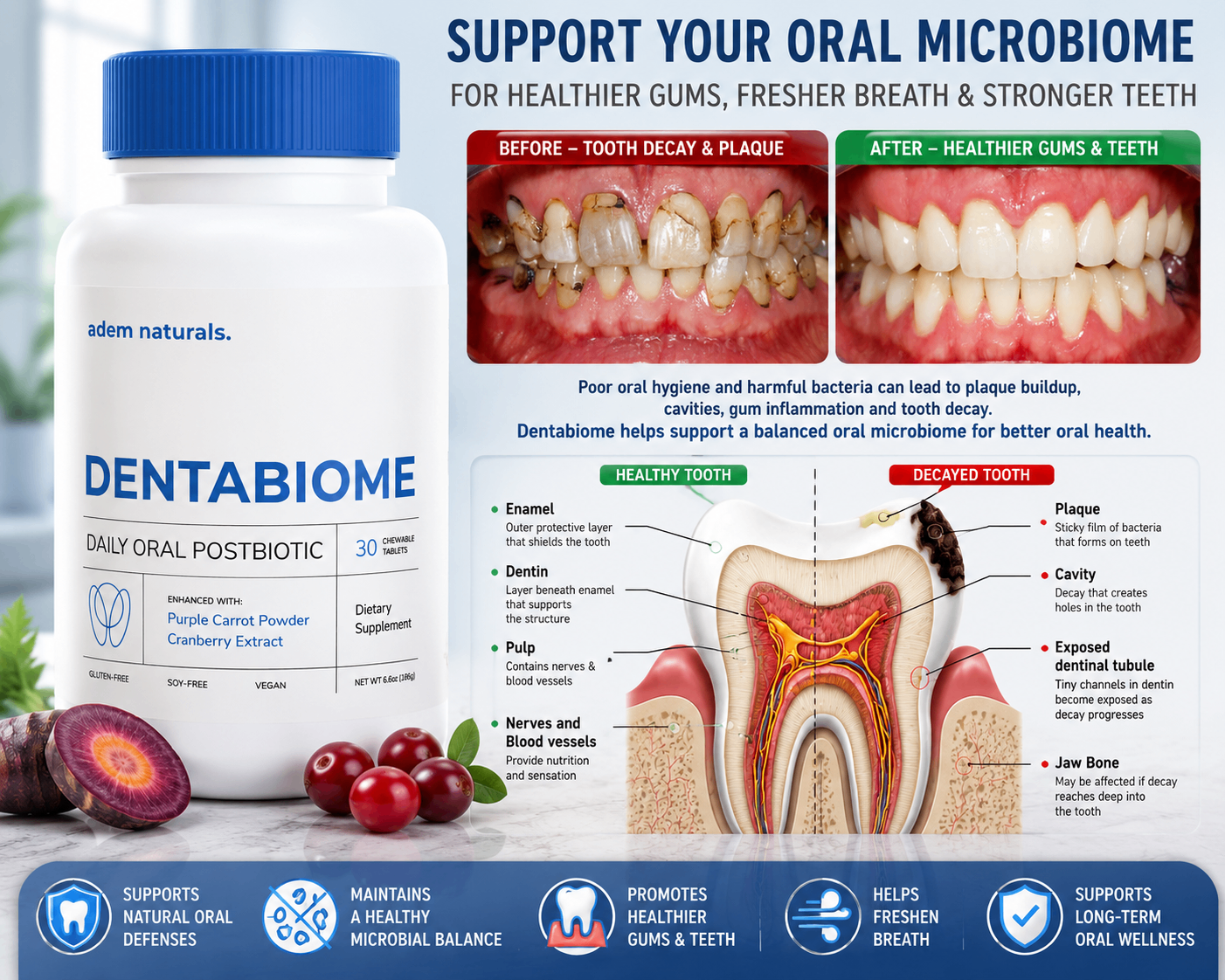
Many people searching for oral health supplements wonder whether there is a single medicine or supplement capable of making teeth stronger. In reality, there is no medication that can replace the fundamentals of good dental care. Strong teeth depend on several factors, including genetics, nutrition, oral hygiene habits, fluoride exposure, and regular professional dental care.
Dentists generally recommend fluoride toothpaste as one of the most effective tools for strengthening tooth enamel and helping prevent cavities. Fluoride works by supporting the natural remineralization process of enamel, making teeth more resistant to acid attacks caused by bacteria and dietary sugars. In some cases, dentists may also recommend prescription-strength fluoride treatments for individuals at higher risk of tooth decay.
Nutrition also plays a significant role in maintaining healthy teeth. Calcium and phosphorus contribute to the structure of teeth, while vitamin D supports calcium absorption. Vitamin C helps maintain healthy gums by supporting normal collagen formation, and adequate hydration encourages saliva production, which naturally helps protect teeth by washing away food particles and buffering acids.
Although dietary supplements may help fill nutritional gaps for some individuals, they should not be considered substitutes for a healthy lifestyle. Products such as Dentabiome are generally marketed as complementary oral wellness supplements rather than treatments for dental disease. Anyone experiencing tooth pain, loose teeth, bleeding gums, or other persistent oral health problems should seek professional dental evaluation rather than relying solely on supplements.
What Are the Side Effects of Dental Probiotics?
Dental probiotics are generally considered well tolerated for most healthy adults when used according to the manufacturer’s directions. Because these supplements often contain beneficial bacteria or related compounds that naturally occur in the body, many users experience no noticeable side effects. However, as with any dietary supplement, individual responses can vary.
Some individuals may experience mild digestive symptoms when first beginning probiotic supplementation. Temporary bloating, gas, or changes in bowel habits are among the most commonly reported effects and often resolve as the body adjusts. Although these symptoms are usually mild, anyone who experiences persistent discomfort should discontinue use and consult a healthcare professional.
People with allergies should carefully review the ingredient label before using any supplement. Some formulations may contain ingredients derived from dairy, soy, or other common allergens. Additionally, individuals who are pregnant, breastfeeding, have compromised immune systems, or are taking prescription medications should consult their physician or dentist before starting any new supplement.
It’s also important to understand that dietary supplements are not intended to diagnose, treat, cure, or prevent disease. If you develop persistent gum bleeding, severe bad breath, tooth sensitivity, swelling, or oral pain, these symptoms may indicate an underlying dental condition that requires professional treatment rather than supplementation.
What Kills Mouth Bacteria Naturally?
The goal of good oral hygiene is not to eliminate all bacteria from the mouth but to maintain a healthy balance between beneficial and potentially harmful microorganisms. The human mouth naturally contains hundreds of bacterial species, many of which play important roles in digestion, maintaining oral tissues, and protecting against harmful microbes. Attempting to eliminate all bacteria would not be beneficial and could disrupt the oral microbiome.
One of the most effective natural ways to support a healthy oral environment is consistent brushing with fluoride toothpaste at least twice a day. Brushing removes plaque—a sticky film of bacteria that accumulates on the teeth—and helps reduce the buildup of food particles that bacteria use as a source of nutrition. Daily flossing is equally important because it cleans areas between the teeth that a toothbrush cannot easily reach.
Saliva is another important natural defense mechanism. It helps rinse away food debris, neutralize acids, and provide minerals that contribute to enamel maintenance. Staying well hydrated throughout the day supports healthy saliva production, particularly for individuals who experience dry mouth.
Diet also has a significant influence on oral bacteria. Reducing frequent consumption of sugary foods and beverages limits the fuel available to bacteria associated with tooth decay. Eating a balanced diet rich in vegetables, fruits, lean proteins, dairy products or fortified alternatives, and whole grains supports both oral and overall health.
Some natural ingredients, such as xylitol, green tea, and certain herbal extracts, have also been studied for their potential role in supporting oral hygiene. While these ingredients may complement a daily routine, they should not replace proven practices such as brushing, flossing, and regular dental checkups.
Who Should Consider Dentabiome?
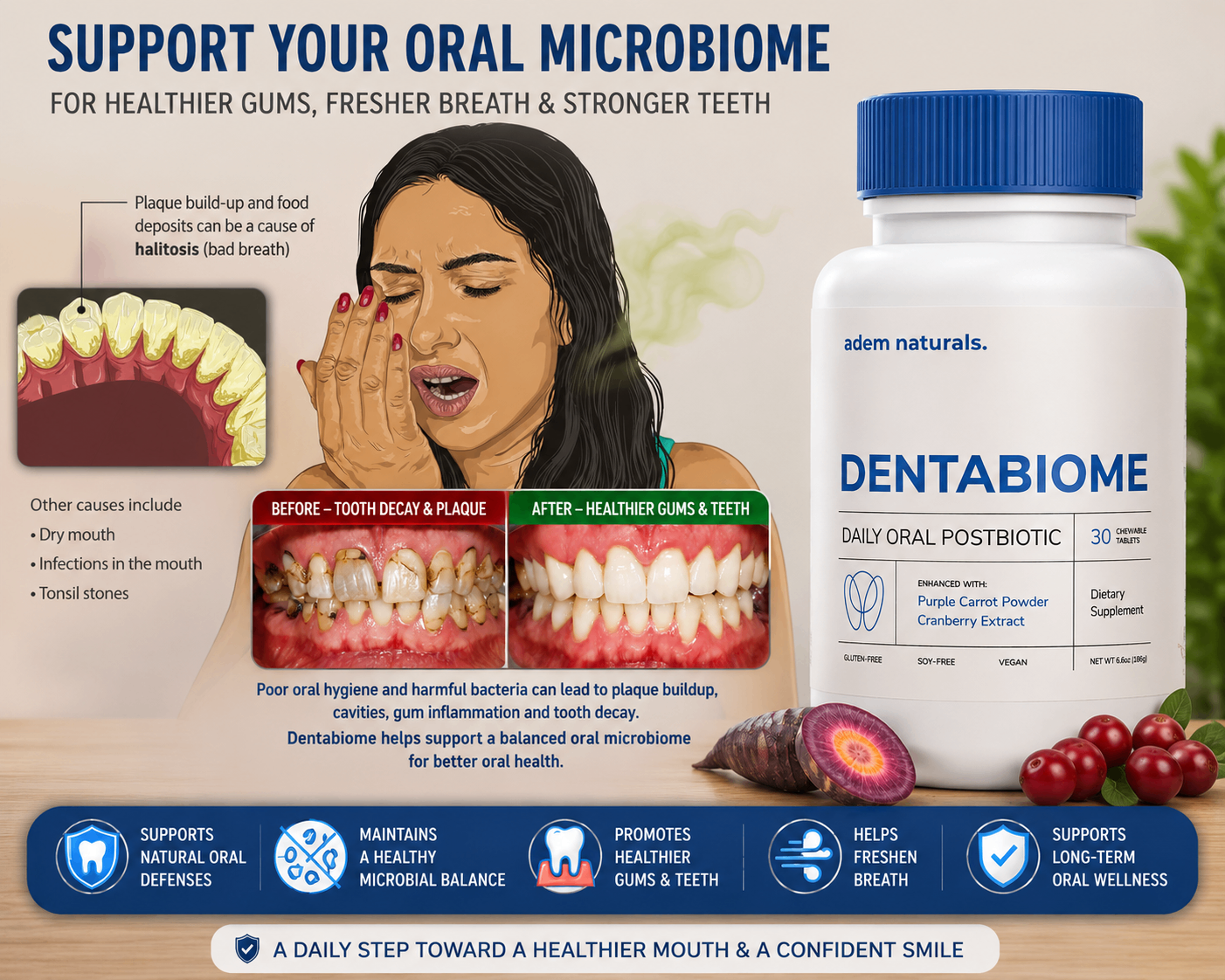
Dentabiome may be of interest to adults who are looking to complement their existing oral hygiene routine with an oral probiotic supplement. Individuals who already brush and floss regularly but are interested in supporting the balance of their oral microbiome may find this category of supplements appealing.
the oral microbiome has become an active area of scientific research, some consumers choose probiotic-based products as part of a broader wellness strategy.
People who occasionally experience concerns such as dry mouth or temporary bad breath may also explore oral probiotic supplements after discussing their symptoms with a dental professional. However, it is important to recognize that persistent oral health problems should always be evaluated by a qualified dentist to identify any underlying causes that may require treatment.
Dentabiome is not intended to replace routine dental care or professional treatment. Individuals with untreated cavities, periodontal disease, oral infections, or other significant dental conditions should seek appropriate care before relying on any dietary supplement. Likewise, children, pregnant or breastfeeding individuals, and people with underlying medical conditions should consult a healthcare provider before introducing a new supplement into their daily routine.
Who Should Consider Dentabiome?
For the best results, Dentabiome should always be used according to the manufacturer’s directions provided on the product label. Following the recommended serving size helps ensure that you receive the intended amount of the ingredients without exceeding suggested intake levels. Taking more
than the recommended amount is unlikely to provide additional benefits and may increase the likelihood of unwanted effects.
Consistency is another important factor when using dietary supplements. Many probiotic products are intended for daily use because changes in the oral microbiome may occur gradually rather than immediately. Individuals considering Dentabiome should view it as part of a long-term oral wellness routine rather than expecting instant results.
Dentabiome should also be combined with evidence-based oral hygiene habits. Brushing twice daily using fluoride toothpaste, flossing every day, cleaning the tongue, limiting sugary snacks, drinking plenty of water, and scheduling regular dental checkups remain the foundation of maintaining healthy teeth and gums. Supplements are generally most effective when they complement—not replace—these established practices.
If you miss a serving, simply continue with your normal schedule rather than doubling the next dose. As with any supplement, discontinue use and consult a healthcare professional if you experience unexpected side effects or have questions about whether the product is appropriate for your individual health needs.
Where to Buy Dentabiome
To reduce the risk of receiving counterfeit or unauthorized products, consumers are generally encouraged to purchase Dentabiome through the manufacturer’s official website or other authorized retailers. Buying directly from official sources may also provide access to customer support, promotional pricing, product guarantees, and the latest formulation updates.
While some dietary supplements may appear on third-party online marketplaces, buyers should exercise caution when purchasing from unauthorized sellers. Product authenticity, storage conditions, expiration dates, and return policies may differ from those offered through official distribution channels. Counterfeit supplements have become an increasing concern across the dietary supplement industry, making it especially important to verify that products are obtained from trusted sources.
Before completing a purchase, compare pricing, shipping policies, customer service options, and guarantee information. Taking a few extra minutes to verify the seller can help protect both your investment and your confidence in the product you receive.

Interested in learning more about Dentabiome? Visit the official website to review the latest ingredient information, pricing, and guarantee details before making a purchase. If you have ongoing concerns about your oral health, consult your dentist to determine whether an oral probiotic supplement is appropriate for your individual situation. Combining informed product research with consistent oral hygiene and professional dental care is the best way to support long-term oral wellness.
