Don't miss our holiday offer - up to 50% OFF! ? | Follow Our Social : 



Does Audifort Really Work for Hearing Loss? (2026 Honest, Research-Based Review)
Hearing loss is no longer a rare condition—it’s affecting millions of people across all age groups. From constant exposure to loud environments to age-related decline, many are now searching for natural solutions to restore their hearing. One product gaining attention is Audifort. But the big question remains: does Audifort really work for hearing loss, or is it just another supplement riding the wave of hope?
This detailed review cuts through the hype and gives you a clear, honest breakdown—based on science, real expectations, and practical insights.
What Is Audifort?
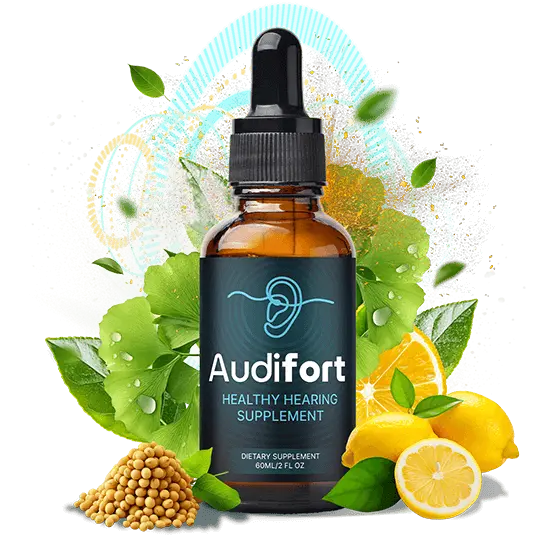
Audifort is marketed as a natural hearing support supplement designed to help improve auditory function and reduce symptoms like tinnitus (ringing in the ears). Unlike hearing aids or medical procedures, it works internally by supplying nutrients believed to support ear and brain health.
The supplement typically combines:
Herbal extracts
Essential vitamins
Antioxidants
Its main claim is that by improving circulation and reducing inflammation, it can enhance how your brain processes sound.
Does Audifort Really Work for Hearing Loss?
Let’s get straight to the point.
Audifort does NOT cure hearing loss.
However, it may provide supportive benefits, depending on the underlying cause of your condition.
What It Can Potentially Do:
Support blood flow to the inner ear
Reduce oxidative stress
Help manage mild tinnitus symptoms
Improve overall nerve function
What It Cannot Do:
Regrow damaged ear hair cells
Reverse age-related hearing loss
Replace hearing aids or clinical treatments
Most hearing loss is caused by permanent damage to the inner ear, and currently, no supplement has been proven to reverse that.
👉 So if you’re expecting a complete cure, you’ll likely be disappointed.
👉 If you’re looking for support and prevention, it may have some value.
How Audifort Claims to Work
Audifort is based on a simple but widely accepted idea: Hearing problems are often linked to:
Poor blood circulation
Inflammation
Nerve signal disruption between ear and brain
The supplement’s ingredients aim to:
Improve oxygen and nutrient delivery
Support neural communication
Protect cells from damage
While this approach is scientifically reasonable, the results are usually modest, not dramatic.
Key Ingredients and Their Role
Understanding the ingredients is key to evaluating whether Audifort is worth considering.
Ginkgo Biloba
Known for improving blood circulation, especially to the brain and ears. Some studies suggest it may help with tinnitus—but results are inconsistent.
Vitamin B12
Essential for nerve health. A deficiency can contribute to hearing issues, so correcting it may help in specific cases.
Zinc
Supports immune function and may play a role in ear health.
Antioxidants
Help combat oxidative stress, which can damage sensitive ear structures over time.
👉 Important: These ingredients are supportive nutrients, not medical treatments.
Is Audifort Reliable?
Reliability depends on what you expect.
If you expect a natural support supplement, it may meet your expectations
If you expect a hearing cure, it will not
Many online reviews exaggerate results, often claiming:
Instant improvements
Full hearing restoration
These claims are not backed by strong scientific evidence.
Is Audifort FDA Approved?
No, Audifort is not FDA-approved.
This is because:
It is classified as a dietary supplement
Supplements are not approved to treat or cure diseases
However, many supplements are produced in FDA-registered facilities, which ensures manufacturing standards—not effectiveness.
What Is the Best Supplement to Restore Hearing?
There is no supplement proven to restore hearing loss. But we recommend using Audifort for more clearity.
However, some nutrients may support hearing health:
Vitamin B12
Magnesium
Omega-3 fatty acids
Zinc
These help maintain:
Blood flow
Nerve function
Cellular health
But they do not reverse damage.
What Is the Best Treatment for Hearing Loss in the World?
The most effective treatments are medical, not supplemental:
Hearing aids
Cochlear implants
Medical therapy for underlying conditions
These solutions provide real, measurable improvement, especially in moderate to severe cases.
What Is the 60/60 Rule for Hearing?
The 60/60 rule helps protect your hearing:
Listen at no more than 60% volume
Limit use to 60 minutes at a time
This reduces long-term damage caused by headphones and loud audio.
How to Reverse Hearing Loss Naturally?
In most cases, hearing loss cannot be reversed naturally.
However, you can slow progression by:
Avoiding loud environments
Managing stress
Eating a healthy diet
Supporting circulation
Supplements like Audifort may play a minor supportive role, but not a corrective one.
Can B12 Reverse Hearing Loss?
Vitamin B12 can help if hearing issues are caused by deficiency.
But:
It won’t fix structural damage
It only works in specific cases
How Does William Shatner Deal With Tinnitus?
William Shatner has publicly shared his experience with tinnitus.
He manages it through:
Sound therapy
Professional treatment programs
Lifestyle adjustments
This highlights an important truth:
Even well-known individuals rely on clinical approaches—not supplements alone.
What Is the “30-Second Cure” for Tinnitus?
There is no proven “30-second cure.”
Some quick techniques may offer temporary relief, but tinnitus management usually requires:
Therapy
Sound masking
Medical guidance
What Do Chinese People Do for Tinnitus?
Traditional approaches may include:
Acupuncture
Herbal remedies
Energy balancing practices
While some people report benefits, scientific support remains limited.
What Is the Number One Ranked Hearing Aid?
Top brands include:
Phonak
Oticon
Starkey
These devices are clinically tested and far more effective than supplements for hearing improvement.
What’s Better, Ear Drops or Ear Spray?
It depends on the condition:
Ear drops: Best for wax removal or infections
Ear spray: Useful for cleaning and maintenance
Neither treats hearing loss directly.
Pros and Cons of Audifort
Pros
Natural formula
Easy to use daily
Supports general ear health
Non-invasive
Cons
No proven hearing restoration
Results vary significantly
Overhyped marketing claims
Not a medical solution
Who Should Consider Audifort?
You might consider it if:
You want general hearing support
You experience mild symptoms
You prefer natural supplements
Avoid relying on it if:
You have significant hearing loss
You need immediate or guaranteed results
Does Audifort Really Work for Hearing Loss?
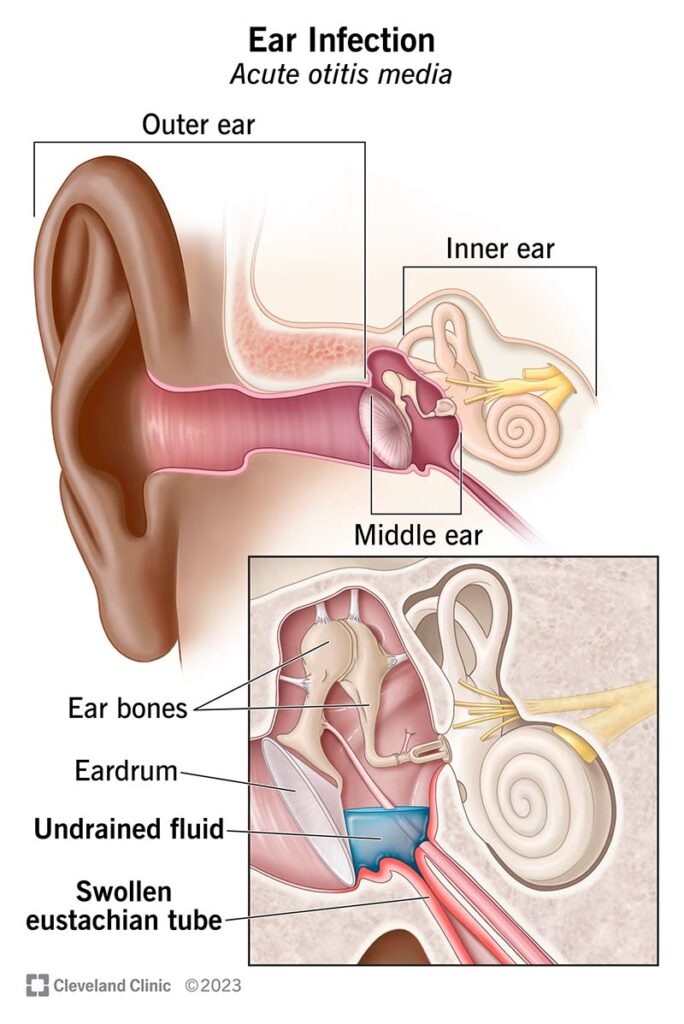
Audifort is a support supplement—not a solution.
It may help with:
Overall ear health
Mild symptoms
Preventative care
But it will not:
Restore lost hearing
Replace medical treatment
👉 The best results come from combining:
Professional medical advice
Healthy lifestyle habits
Realistic expectations
Before spending money on any hearing supplement, make sure you understand what it can—and cannot—do. If you want more honest reviews, health insights, and evidence-based product breakdowns, explore more of our content and stay informed.
👉 Your health decisions should be based on facts—not hype.
