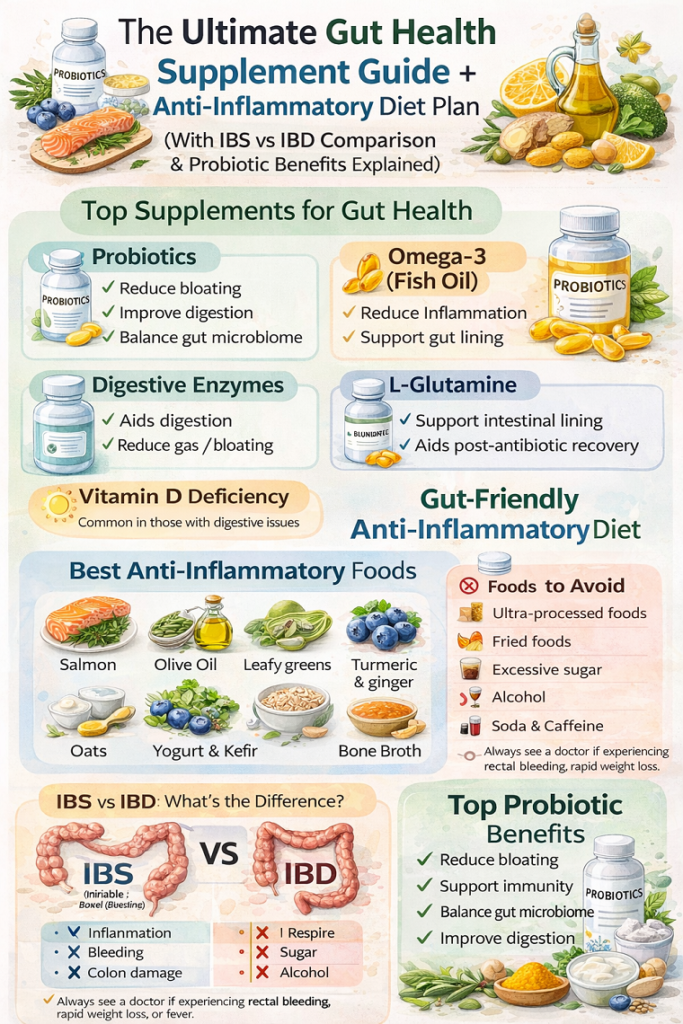
The Ultimate Gut Health Supplement Guide + Anti-Inflammatory Diet Plan (With IBS vs IBD Comparison & Probiotic Benefits Explained)

Gut health directly affects digestion, immunity, inflammation, mood, and even skin health. Yet most people don’t know where to start when searching for the best gut health supplement guide, a sustainable anti-inflammatory diet guide, or clear answers about IBS vs IBD differences.

This comprehensive article combines all four essential topics into one actionable resource — optimized around high-ranking keywords like:

  • best supplements for gut health

  • anti-inflammatory diet plan

  • IBS vs IBD symptoms

  • probiotic benefits for digestion

  • how to reduce gut inflammation naturally

  • best probiotics for bloating

  • gut healing foods list

Let’s break it down clearly and practically.

Gut Health Supplement Guide: What Actually Works?

The supplement market is saturated with products claiming to “heal your gut.” Most are unnecessary. Some are helpful. A few are clinically supported.

Here’s what matters.

1. Probiotics (Best Probiotics for Gut Health)

Probiotics are beneficial bacteria that help balance the gut microbiome.

Probiotic Benefits:
  • Reduce bloating

  • Improve digestion

  • Support immune function

  • Help manage IBS symptoms

  • Restore gut bacteria after antibiotics

Best Probiotics for Bloating & Digestion:

Look for:

  • Multi-strain formulas

  • Lactobacillus and Bifidobacterium strains

  • 10–50 billion CFUs

Probiotics are especially useful for:

  • IBS symptoms

  • Antibiotic recovery

  • Mild digestive imbalance

They are not a cure for inflammatory bowel disease (IBD).

2. Omega-3 Fatty Acids (Anti-Inflammatory Support)

Omega-3s help reduce systemic inflammation.

Benefits:

  • Support gut lining health

  • May reduce inflammation markers

  • Help inflammatory conditions like ulcerative colitis

Look for:

  • High EPA/DHA content

  • Third-party tested products

3. L-Glutamine (Gut Lining Support)

L-glutamine may help support intestinal lining integrity. Evidence is stronger for stress-related gut issues than for severe inflammatory diseases.

4. Digestive Enzymes

Helpful if you experience:

  • Bloating after meals

  • Fat digestion issues

  • Mild food intolerance

They do not treat IBS or IBD directly.

5. Vitamin D (Common Deficiency)

Low vitamin D is common in:

  • IBS patients

  • IBD patients

  • People with chronic inflammation

Always test before supplementing.

Anti-Inflammatory Diet Guide: Reduce Gut Inflammation Naturally

An anti-inflammatory diet plan is one of the most powerful tools for improving digestive health.

What Is an Anti-Inflammatory Diet?

It focuses on:

  • Whole foods

  • Lean proteins

  • Healthy fats

  • Fiber (adjusted to tolerance)

  • Minimal processed foods


Best Anti-Inflammatory Foods for Gut Health
  • Fatty fish (salmon, sardines)

  • Olive oil

  • Turmeric

  • Ginger

  • Cooked leafy greens

  • Blueberries

  • Bone broth

  • Fermented foods

These foods help reduce gut inflammation and support microbiome diversity.


Foods That Cause Gut Inflammation

Common triggers:

  • Ultra-processed foods

  • Excess sugar

  • Fried foods

  • Alcohol

  • Artificial sweeteners

  • Refined carbohydrates

Reducing these often improves bloating and digestive discomfort quickly.


7-Day Anti-Inflammatory Diet Sample Structure

Breakfast: Oatmeal with berries
Lunch: Grilled salmon + quinoa + spinach
Dinner: Chicken + roasted vegetables
Snack: Greek yogurt or kefir

Consistency matters more than perfection.

IBS vs IBD Comparison: Understanding the Difference

One of the most searched digestive health questions is:
What is the difference between IBS and IBD?

They are not the same condition.

What Is IBS (Irritable Bowel Syndrome)?

IBS is a functional digestive disorder.

Symptoms:

  • Bloating

  • Cramping

  • Constipation or diarrhea

  • Gas

IBS does NOT cause:

  • Bleeding

  • Structural damage

  • Colon inflammation

Triggers often include stress and food sensitivities.

What Is IBD (Inflammatory Bowel Disease)?

IBD includes:

  • Crohn’s disease

  • Ulcerative colitis

IBD involves:

  • Immune system dysfunction

  • Intestinal inflammation

  • Ulcers

  • Bleeding

  • Potential complications

Unlike IBS, IBD causes measurable inflammation and requires medical treatment.

IBS vs IBD Symptoms Comparison Table

FeatureIBSIBD
InflammationNoYes
BleedingNoYes
Colon damageNoYes
Weight lossRareCommon
Requires medicationSometimesYes

If you experience blood in stool, persistent fever, or unexplained weight loss, seek medical care immediately.

ImagesProduct description 
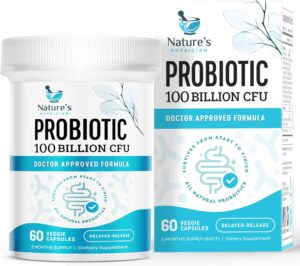
Physician’s Choice 60 Billion Probiotic ·  Top-selling probiotic blend with 10 strains + prebiotics designed to support digestion, regularity, and bloating. Great core gut health item. 
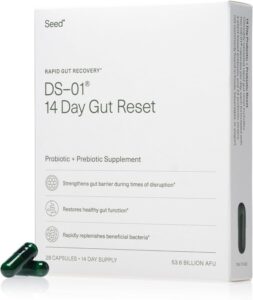
Seed DS‑01 14‑Day Gut Rescue ·  Highly reviewed daily synbiotic with probiotics + prebiotics that supports comprehensive gut balance and immune function. 
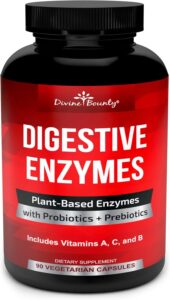
Divine Bounty Digestive Enzymes with Probiotics & Prebiotics ·  A multi-action digestive enzyme and probiotic blend to help break down meals and reduce discomfort. 
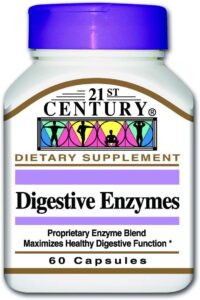
21st Century Digestive Enzymes ·  Budget-friendly digestive enzyme supplement popular for bloating and digestive support. 


Inflammation & GI-Comfort Support


ImagesProduct description 
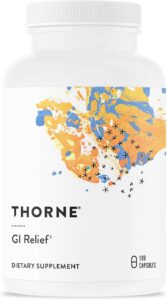
Thorne GI‑Relief ·  Premium blend focused on soothing GI lining and comfort; well-rated for gut barrier support. 
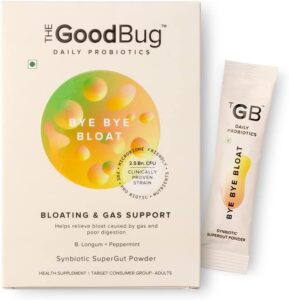
The Good Bug ByeBye Bloat Supergut Powder ·  Powder supplement geared toward gut comfort and flatulence relief. 
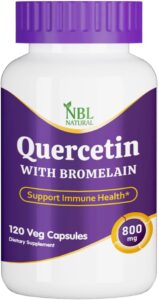
NBL Natural Quercetin with Bromelain·  A natural anti-inflammatory combination that supports digestive comfort and inflammation reduction. 
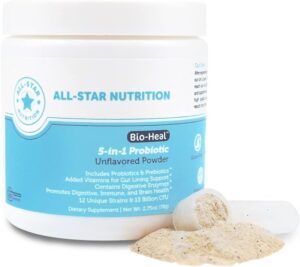
All‑Star Nutrition 5‑in‑1 Bio‑Heal Probiotic ·  Multi-strain probiotic formula for overall digestive and immune health. 


Quick Why These Work (Digestive & Anti-Inflammatory Focus)

  • Probiotics replenish good gut bacteria and may help reduce bloating and gas; multi-strain formulas are preferred.

  • Prebiotics + Probiotics (Synbiotics) feed good bacteria while repopulating them, giving wider benefit than one alone.

  • Digestive enzymes help break down food more completely, which can ease symptoms like indigestion and discomfort.

  • Anti-inflammatory nutrients like quercetin and bromelain can support the gut lining and lower chronic gut irritation.

Probiotic Benefits Article Section: How Gut Bacteria Impact Overall Health

Your gut microbiome contains trillions of bacteria that influence:

  • Digestion

  • Immune function

  • Hormones

  • Brain health (gut-brain axis)

  • Inflammation levels

How Probiotics Improve Gut Health

Probiotics help by:

  • Crowding out harmful bacteria

  • Supporting digestion

  • Improving stool regularity

  • Reducing IBS-related bloating

They may also support:

  • Anxiety reduction

  • Immune resilience

  • Skin conditions like eczema

Natural Probiotic Foods

Instead of supplements, you can get probiotics from:

  • Yogurt (live cultures)

  • Kefir

  • Sauerkraut

  • Kimchi

  • Miso

Start slowly if you have digestive sensitivity.

How to Reduce Gut Inflammation Fast (Realistic Approach)

There is no overnight cure. But you can:

  1. Remove inflammatory foods

  2. Improve sleep quality

  3. Reduce stress

  4. Stay hydrated

  5. Introduce probiotics gradually

  6. Follow a consistent anti-inflammatory diet

Chronic inflammation requires long-term habits.

Best Gut Healing Foods List

  • Bone broth

  • Salmon

  • Olive oil

  • Blueberries

  • Spinach

  • Ginger

  • Oats

  • Bananas

  • Yogurt

These foods support microbiome balance and digestive stability.

Common Gut Health Mistakes

    • Overusing supplements

    • Ignoring stress management

    • Cutting all fiber unnecessarily

    • Self-diagnosing IBS vs IBD

    • Relying only on probiotics

    Gut health is multifactorial — not one supplement dependent.

Who Should Be Careful With Supplements?

Consult a doctor if you have:

  • IBD

  • Autoimmune disease

  • Severe bloating

  • Chronic diarrhea

  • Blood in stool

Supplements can worsen symptoms in some inflammatory conditions.

When to See a Doctor

Seek medical evaluation if you experience:

  • Rectal bleeding

  • Unexplained weight loss

  • Persistent severe abdominal pain

  • Fever with digestive symptoms

  • Nighttime diarrhea

Do not self-treat serious conditions.

Putting It All Together: Your Gut Health Action Plan

If you’re overwhelmed, start here:

Step 1: Improve diet first
Step 2: Add probiotic foods
Step 3: Test vitamin D
Step 4: Consider omega-3
Step 5: Track symptoms

Avoid chasing trends.

A strong digestive system requires more than one pill. A strategic combination of:

  • Smart supplementation

  • A sustainable anti-inflammatory diet

  • Understanding IBS vs IBD

  • Supporting microbiome health

creates real long-term improvement.

Gut health is built daily — not fixed instantly.

If you found this guide helpful:

  • Bookmark it for reference

  • Share it with someone struggling with digestive issues

  • Explore our related articles on anti-inflammatory recipes and probibiotic-rich meal plans

Start improving your gut health today — one consistent step at a time.

Share:

More Posts

Send Us A Message

Select your currency
USD United States (US) dollar
EUR Euro