Don't miss our holiday offer - up to 50% OFF! ? | Follow Our Social : 



What Is Berberine?
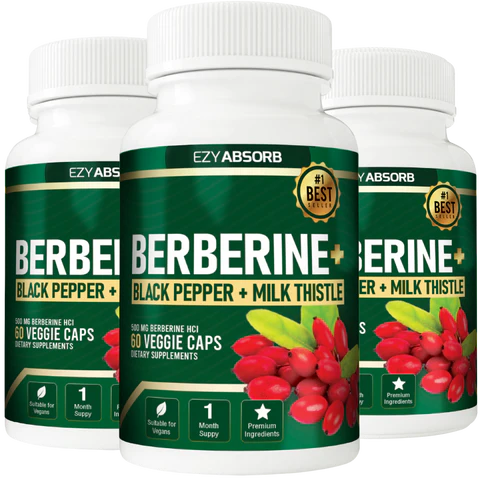
Let’s start simple. Berberine is a natural compound extracted from plants like barberry, goldenseal, and Oregon grape. It has been used for centuries in traditional Chinese and Ayurvedic medicine, but now it’s trending hard in modern wellness circles—and not always for the right reasons. Here’s the truth: berberine isn’t new. What’s new is the hype. People are suddenly calling it “nature’s Ozempic”, pushing it as a miracle for weight loss and blood sugar control. But science doesn’t fully support that level of hype. What it does show is something more nuanced—and honestly, more interesting. At a cellular level, berberine activates something called AMPK, often referred to as the body’s “metabolic master switch.” This affects how your body handles energy, sugar, and fat. Think of it like flipping a switch that tells your body: “Hey, stop storing everything… and start using it.”
Natural Sources of Berberine

Berberine doesn’t come from your everyday diet. You won’t find it in apples or chicken. Instead, it’s found in medicinal plants like: Barberry Goldenseal Tree turmeric Oregon grape These plants have been used historically for infections, digestion, and inflammation. How Berberine Works in the Body Berberine doesn’t just “sit” in your body—it actively changes how your cells behave. Here’s what it does: Improves insulin sensitivity Reduces glucose production in the liver Helps regulate fat storage Influences gut bacteria This is why it’s often compared to medications like metformin, though it’s not identical.
What Does Berberine Do for Your Body?
Berberine doesn’t come from your everyday diet. You won’t find it in apples or chicken. Instead, it’s found in medicinal plants like: Barberry Goldenseal Tree turmeric Oregon grape These plants have been used historically for infections, digestion, and inflammation. How Berberine Works in the Body Berberine doesn’t just “sit” in your body—it actively changes how your cells behave. Here’s what it does: Improves insulin sensitivity Reduces glucose production in the liver Helps regulate fat storage Influences gut bacteria This is why it’s often compared to medications like metformin, though it’s not identical.
What Does Berberine Do for Your Body?
If you strip away the marketing, berberine is mainly about metabolic health. That means it affects how your body: Handles sugar Stores fat Produces energy Blood Sugar Regulation This is where berberine shines. Research shows it can lower blood sugar levels and improve insulin sensitivity—sometimes with effects comparable to certain medications. That’s huge. Because unstable blood sugar is behind: Weight gain Cravings Energy crashes Fix that, and everything else becomes easier. Metabolism and Fat Storage Berberine doesn’t directly “burn fat.” That’s where people get misled. Instead, it helps your body: Use energy more efficiently Reduce fat creation Improve metabolic function It’s like fixing the engine, not just pressing the gas pedal. Berberine Benefits (Science-Backed) Let’s cut through the noise and look at what research actually supports. Heart Health and Cholesterol
Berberine may help lower:
LDL (bad cholesterol), Total cholesterol, Triglycerides etc. That’s why it’s often studied for cardiovascular health. Gut Health and Inflammation It also has antimicrobial effects, meaning it can help balance gut bacteria. A healthier gut = better digestion, immunity, and even mood.
Berberine Weight Loss: Does It Really Work?
This is what everyone wants to know. Short answer: Yes—but not the way you think. What Research Actually Shows Some studies show reductions in weight and BMI, especially when taken for more than 8 weeks at higher doses. But here’s the catch: Results are modest Not consistent across all studies Often linked to improved metabolism—not fat burning Why It’s Called “Nature’s Ozempic” This label is misleading. Unlike Ozempic, berberine does NOT: Suppress appetite strongly Slow digestion significantly Experts warn against this comparison.
Does Berberine Shrink Belly Fat?
There’s some evidence it may reduce body fat over time by improving metabolic health. But let’s be real: It’s not a shortcut. If your diet is bad and you’re inactive, berberine won’t magically flatten your stomach. Berberine Side Effects This is where people need to pay attention.
Common Side Effects
Most are digestive: Bloating Diarrhea Constipation Nausea These are the most frequently reported issues. Serious Risks and Drug Interactions Here’s the bigger concern: Berberine can interact with medications—especially those processed by the liver. That includes: Blood thinners Diabetes medications Immunosuppressants Is There a Downside to Taking Berberine? Yes. The biggest downsides are: Inconsistent supplement quality Potential drug interactions Limited long-term research Also, it’s not FDA-approved for treating any condition. What Organ Is Berberine Hard On? Berberine mainly affects the liver, because it influences how drugs are metabolized. That’s why interactions are such a big deal. Is Berberine Bad for Kidneys? There’s no strong evidence showing harm to healthy kidneys. But if you already have kidney issues—don’t guess. Talk to a doctor. What Cannot Be Taken With Berberine? Avoid combining berberine with: Blood sugar medications (risk of hypoglycemia) Blood thinners Certain antidepressants Immunosuppressants It’s not just a supplement—it’s biologically active.
What Happens If You Take Berberine Every Day?
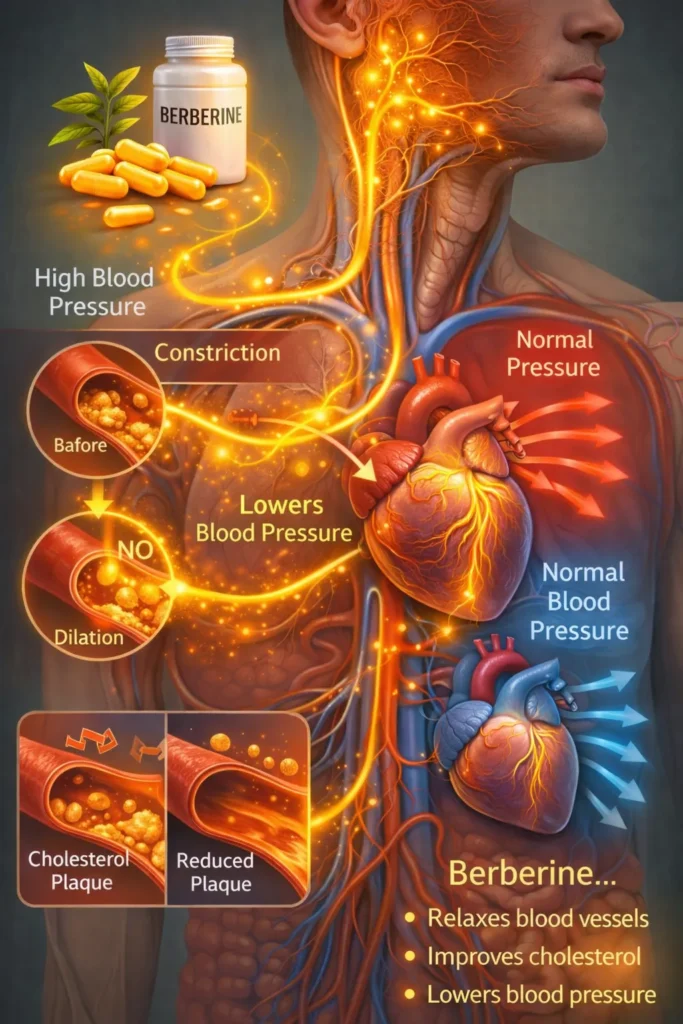
Daily use may: Improve blood sugar Support cholesterol levels Help metabolism But long-term safety is still unclear. Some experts suggest cycling it instead of taking it continuously. Berberine Supplement: How to Choose Not all supplements are equal. Look for: Berberine HCl (500 mg standard dose) Third-party testing Minimal additives Typical dosage: 500 mg, 2–3 times daily. Berberine Plant & Food Sources You won’t get enough berberine from food alone. That’s why supplements exist. Berberine Reddit: Real User Experiences Reddit is full of mixed experiences. Some users report: Better energy Reduced cravings Mild weight loss Others mention: Digestive issues No noticeable results Reality? It depends on your body. Is Berberine Just Turmeric? No. They’re completely different compounds. Berberine = metabolic support Turmeric (curcumin) = anti-inflammatory Conclusion Berberine sits in an interesting space. It’s not hype—but it’s not magic either. It’s a tool. Used correctly, it can support metabolic health, improve blood sugar, and possibly aid weight loss. Used blindly, it can cause problems. The smartest approach? Be informed. Be cautious. Be intentional.
Call to Action
Thinking about trying berberine?
Don’t follow trends—make informed decisions.
👉 Choose quality
👉 Start with proper dosage
👉 Talk to a professional
Your health isn’t a shortcut. Treat it like an investment.
Internal Linking Suggestions
